Do You Need an Electrical Panel Upgrade for an EV Charger in Roseville?
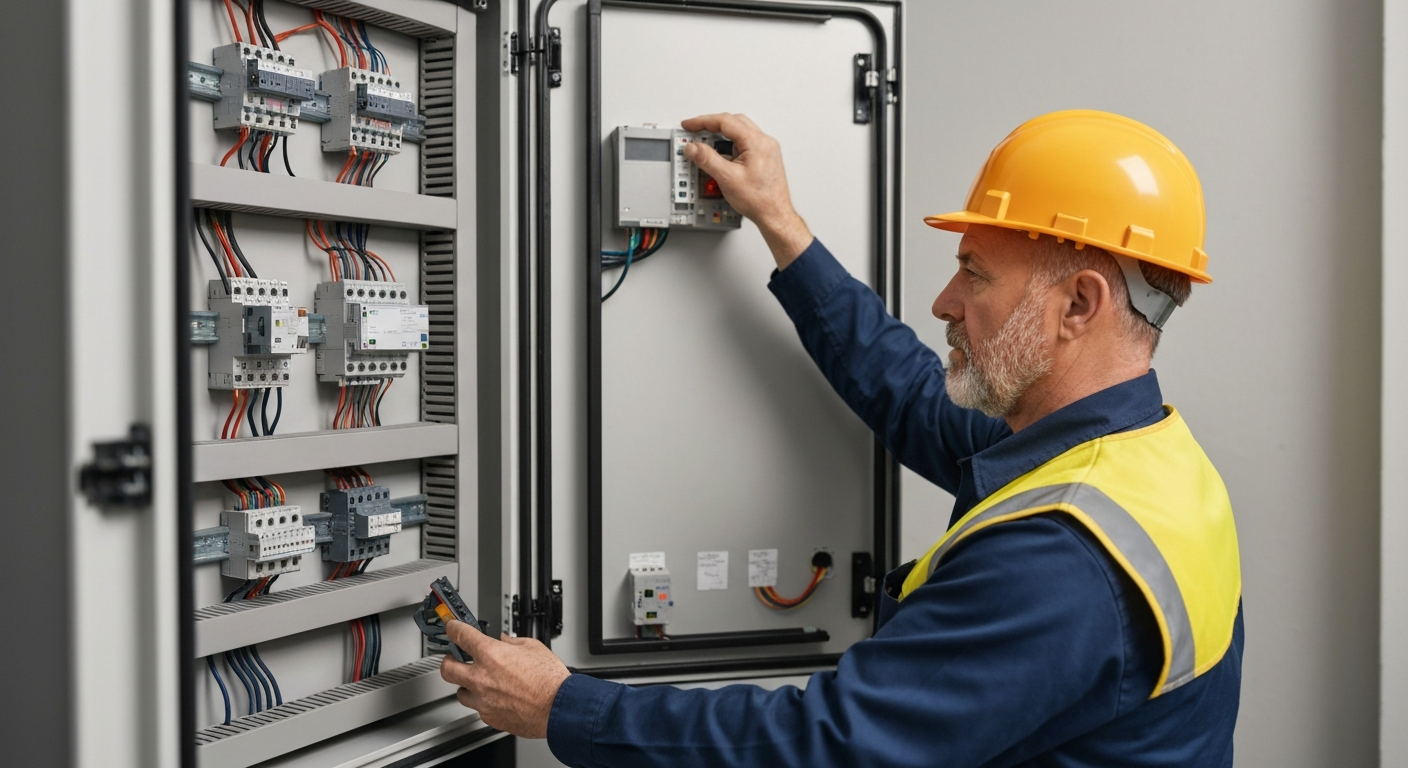
One of the most common questions we hear from new EV owners in Roseville is: "Can my house actually handle a fast charger, or am I going to need a whole new electrical panel?" The answer, as you might expect, depends heavily on the age of your home and your current electrical usage.
A Level 2 EV charger requires a dedicated 240-volt circuit, typically requiring a 40 to 60-amp double-pole breaker. This is a massive continuous load—similar to running an electric oven or a central AC unit for hours on end. Let's explore how to determine if your current setup is ready for the task.
Understanding Your Current Panel Capacity
The first step is checking the main breaker switch on your electrical panel (usually located outside your home or in the garage). This main breaker will have a number stamped on it—typically 100, 150, or 200.
- 100-Amp Panel: Common in older homes built before the 1990s. If you have a 100-amp panel, you will almost certainly need an upgrade or a smart load management device to install a Level 2 charger safely.
- 150-Amp Panel: A gray area. Depending on whether your major appliances (stove, water heater, dryer, furnace) are gas or electric, you might have enough capacity, but a load calculation is strictly necessary.
- 200-Amp Panel: The modern standard. In most cases, a 200-amp panel has plenty of capacity to add a 50-amp EV charging circuit without any issues.
The Importance of a Load Calculation
You cannot simply look at a panel, see an empty slot, and assume it's safe to add a charger. Professional electricians perform a National Electrical Code (NEC) Load Calculation. This formula factors in the square footage of your home and the electrical draw of all your fixed appliances to determine your home's total electrical demand.
If the load calculation shows that adding an EV charger would push your home's demand past 80% of your panel's total capacity, the city will not approve the permit, and an upgrade is required.
Alternatives to a Full Panel Upgrade
If your panel is maxed out, a full panel upgrade (heavy-up) is the traditional solution, but it can cost between $1,500 and $3,000. Fortunately, modern technology offers alternatives:
- Smart Load Management Devices: Devices like the DCC (Demand Charge Controller) actively monitor your home's electrical use. If you turn on your AC and oven simultaneously, the device temporarily pauses your EV charging to prevent overloading the panel. This satisfies code requirements without a panel upgrade.
- Lower Amperage Charging: Instead of installing a 50-amp circuit for maximum charging speed, you might have room for a 20-amp or 30-amp 240V circuit. It charges slower than a 50-amp setup, but still significantly faster than a standard wall plug.
Frequently Asked Questions
How long does a panel upgrade take?
A professional panel upgrade typically takes one full day to complete. Your power will be shut off for several hours while the new equipment is installed and connected to the utility lines.
Is an older Zinsco or Federal Pacific panel safe for an EV charger?
No. These older panel brands have known manufacturing defects that present severe fire hazards. We will not add new circuits to these panels; they must be replaced for your safety.
Not Sure What Your Panel Can Handle?
Let the experts figure it out. We provide free, on-site electrical assessments and load calculations to give you a clear, honest answer about your home's charging capabilities.